
By Maj. Gen John B. Hashem, USA (Ret.), ROA Executive Director
When I left active duty “back in the day,” I wrote two resumes. One translated military skills into civilian speak and the other was all military. The military one got me hired. My employer valued the leadership, experience and skills I brought with me. He was also a Veteran. I also joined the Army Reserve. His reaction was, “We liked your military experience. We just didn’t expect you to keep doing it, put it behind you.” I couldn’t. I wouldn’t.
I learned quickly what generations of reserve members learned – balancing a civilian career and military service can get complicated. That experience stuck with me because it gets to the heart of what makes the Reserve Component different. Most of us have two careers. We are Soldiers, Sailors, Marines, Airmen, Coast Guardsmen, etc, but we are also teachers, nurses, mechanics, pilots, police officers, cyber experts, business owners, federal employees, you name it.
Both careers matter. The civilian job usually pays many of the bills but Reserve pay is an important source of income to make ends meet. I am reminded that during the recent government shutdown I kept making the same point: no drill, no pay. While the news was that the military got paid, it wasn’t entirely true. If we didn’t drill, we didn’t get paid. Reserve members were affected in paying their mortgage, groceries, and kids’ expenses.
Employment also goes well beyond having a job. Is it a good job? Does it use the skills you have developed? Are you satisfied with it? Can you advance? Does your employer value your Reserve service? Can you go to a military school, accept an assignment or deploy without wondering what it means to your civilian career?
We need to understand those questions better. If we want people to serve over 20 years, we should understand what continued service means to their careers, income and families. We should also understand the employer’s side. When a reservist leaves for training or deployment, somebody has to pick up the load.
There is value from the other direction too. Employers get people who have led teams, managed complex problems, learned new technical skills and operated in environments where getting the job done matters. The civilian world also brings tremendous capability into the Reserve force. That exchange is one of the things that makes the Reserve Component work.
So, we are doing something practical about it. ROA recently added ReserveEmployment to our ReserveConnect digital platform. While in infancy, it’s designed around the Reserve Component experience – helping members develop the right skills, build a resume that translates military experience into something a civilian employer understands, and connect with employers who value Reserve service. Compliment this with the ROA Reserve Service Law Center, we provide information and support to help members understand and protect their employment rights.
The goal is simple. We want to help our members find the right job, succeed in that job and continue serving. Two careers can coexist, and it’s not easy, so we have to get it right. We can make it easier for the next generation.
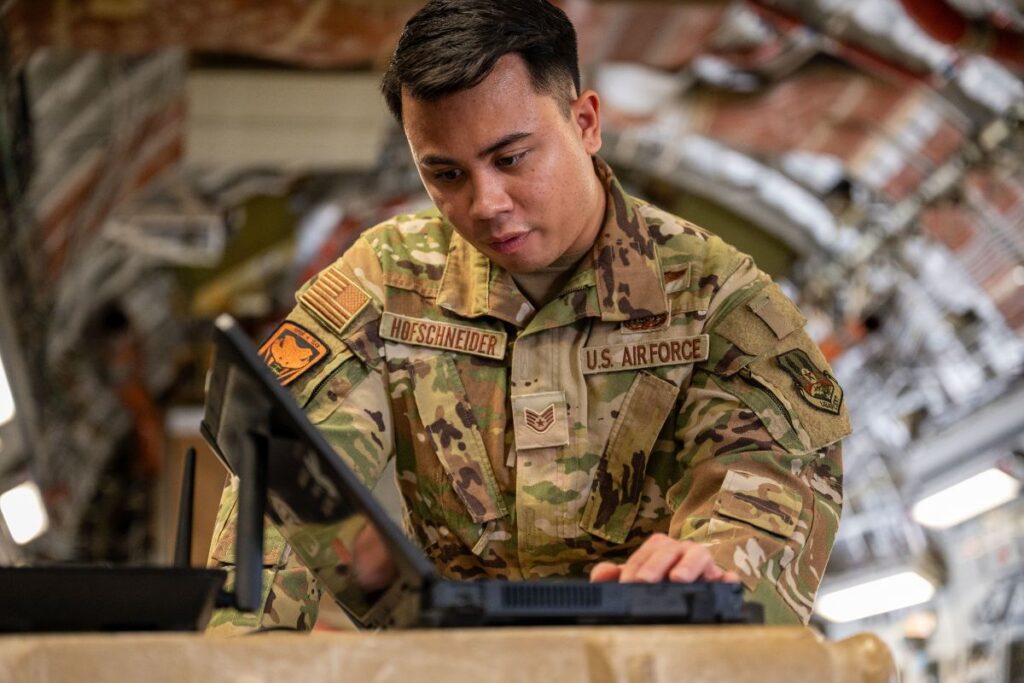
U.S. Air Force photo by Tech. Sgt. Kristen Pittman